January can often feel like a letdown after the holidays. The lights come down, routines return, and the energy of celebration fades. But here in the Great Smoky Mountains National Park, January offers something rare and deeply meaningful: quiet contemplation and surprising splashes of color.
For our staff at A Walk in the Woods, this is one of the most cherished times of year. The hustle and bustle has eased, heavy traffic has disappeared, and the trails are mostly empty. What remains is space—for reflection, for connection, and for noticing the mountains in a way that’s simply not possible during the busy seasons.
When the Forest Reveals Its Secrets
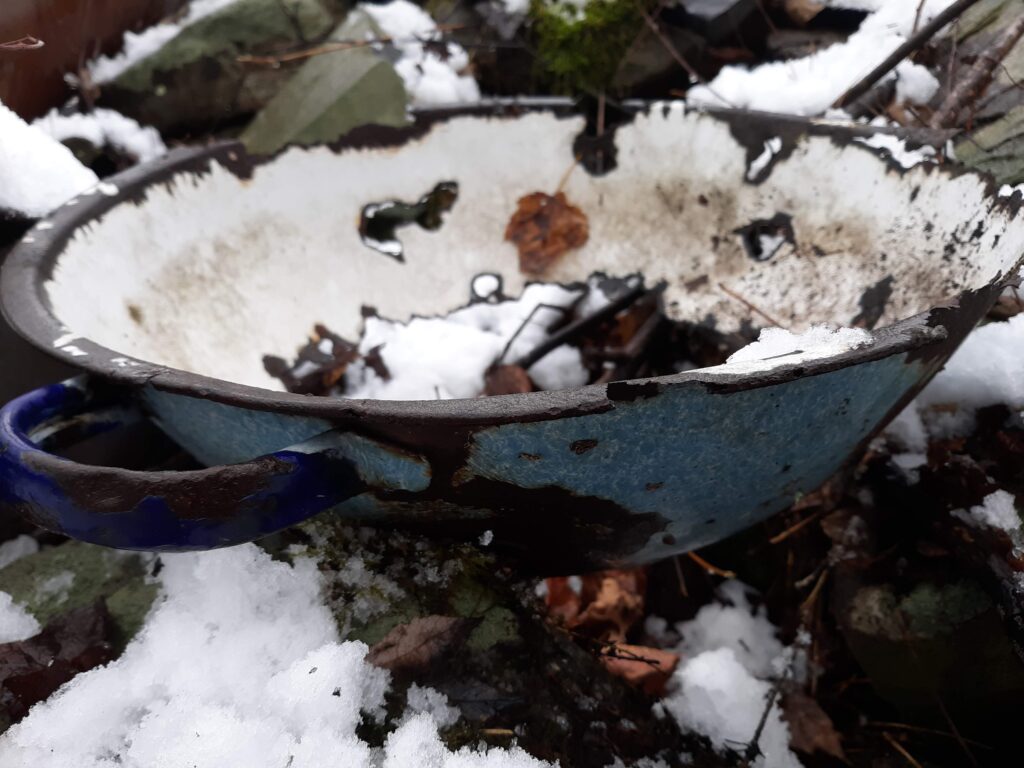
With the leaves off the trees and shrubs, the Smokies begin to reveal their hidden treasures. Winter strips the forest down to its bones, and in doing so, tells its stories more clearly. Along quiet trails, you may notice old, crumbling rock walls and stone chimneys, the faint footprints of long-gone homesteads, small, often-overlooked graveyards, quietly marking lives shaped by hardship, resilience, and loss and even the rusted skeletons of Model T Fords, hinting at early moonshine legends tucked deep in mountain hollers.
These remnants remind us that the Smokies are not just a wilderness—they are a cultural landscape, shaped by generations who lived closely with the land before this became a national park.
While winter may seem gray at first glance, January in the Smokies is rich with understated beauty for those who slow down and look closely.
Late-blooming witch-hazel brightens the forest with delicate yellow flowers, often blooming against snow or bare branches. Evergreen shrubs like mountain laurel and rhododendron—including Catawba rhododendron at higher elevations—provide structure and texture throughout the woods.
Closer to the ground, evergreen partridge berry carpets the forest floor, while early greens like toothwort, a mustard green cherished by both the Cherokee and early settlers, emerge as a reminder of winter sustenance and survival.
Towering above it all, hemlocks and pines splash deep greens across sheltered valleys, while spruce and fir forests dominate the higher peaks, giving the mountains their iconic winter silhouette.
January is not about spectacle—it’s about presence. It’s about hearing your footsteps on a quiet trail, feeling cold mountain air fill your lungs, and sensing the long history held within these ancient ridges.
For us, guiding in January is a gift. It’s when the Smokies speak softly, and those willing to listen discover just how alive winter truly is.
If you’ve never experienced the Smokies in January, we invite you to join us. You may find, as we do, that this quieter season holds some of the mountains’ most powerful stories.
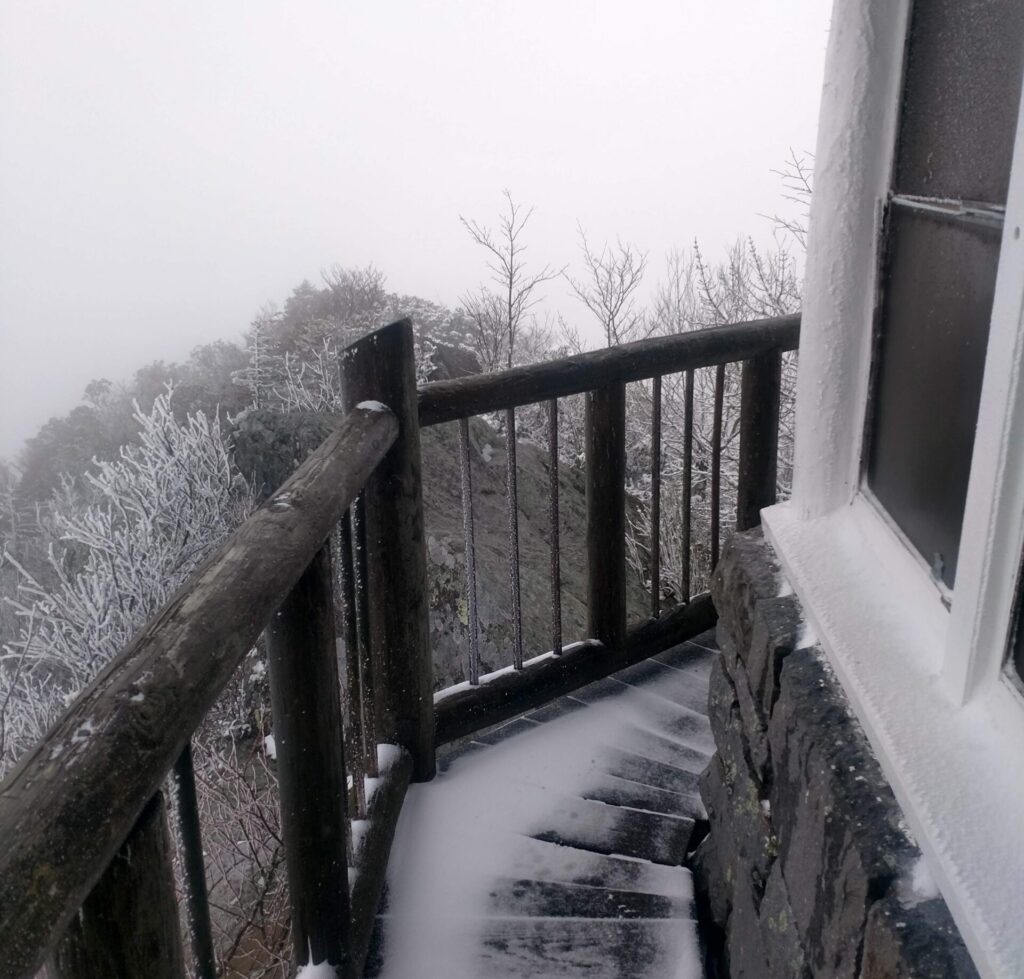
Side Bar: Winter temperatures in the Smokies can vary dramatically by elevation, with temps ranging from the 30’s to high 50’s often found in the valleys while the upper elevations experience colder air in the teens to freezing, stronger winds, and occasional snow and ice—creating distinctly different worlds within just a few miles of trail.
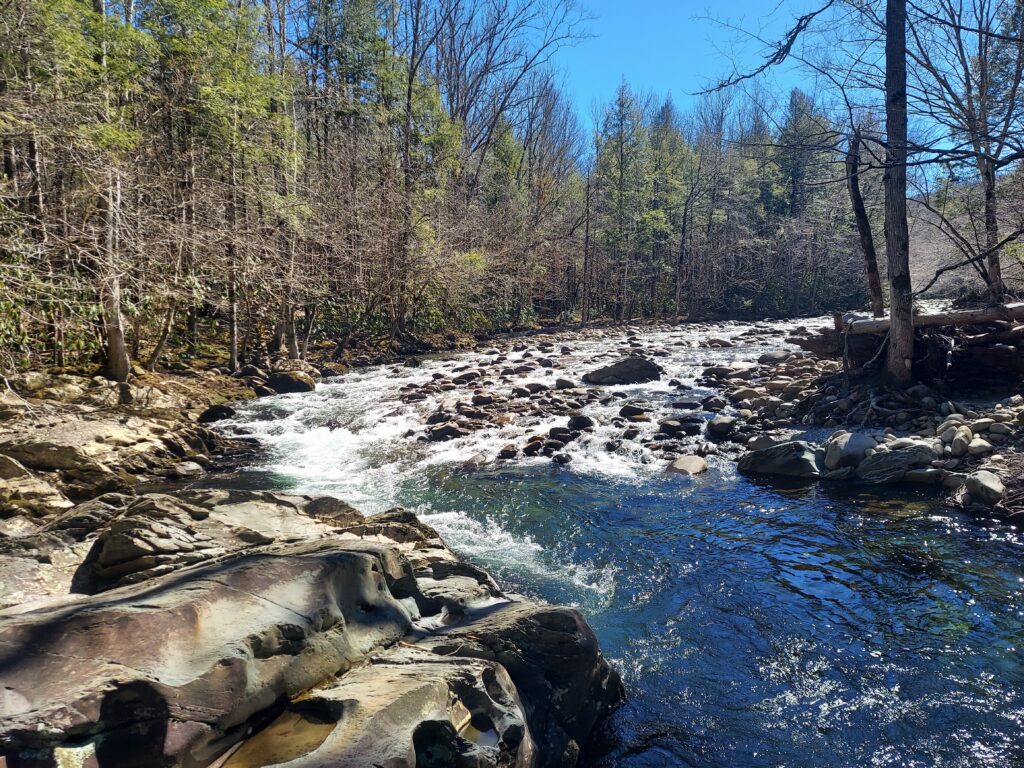
Winter Views and Water Hikes by A Walk in the Woods
Layering is essential for winter hiking in the Smoky Mountains. Start with a moisture-wicking base layer, add an insulating mid-layer for warmth, and finish with a wind- and water-resistant outer shell. A warm hat and gloves are critical, and sturdy waterproof boots help keep feet warm and dry. If you’re going to be out for a long day or overnight, extra dry socks are important. Because conditions can change quickly with elevation, having extra layers in your pack ensures you can adapt as temperatures rise and fall throughout the day.
A Guide’s Winter Safety Note
Winter hiking rewards those who come prepared. Trails may be dry in the valleys yet icy or snow-covered at higher elevations, so traction devices likemicrospikesare invaluable. If you don’t have any, we can rent them to you. Carry plenty of water—hydration is just as important in cold weather—and high-energy snacks to fuel your body. Always let someone know your plans, check the forecast before heading out, and be ready to turn back if conditions change. Thoughtful preparation allows winter to be both safe and deeply enjoyable.
Planning Your Day: Understanding Elevation & Temperature Changes
Winter temperatures in the Smokies can vary dramatically by elevation. It’s not uncommon for hikers to start the day in relatively mild valley conditions and encounter much colder air, stronger winds, and snow or ice as they climb higher—sometimes within just a few miles. Too often hikers are fooled by the mild temps in the towns below and head into the backcountry unprepared for a sometimes 20 to 30 degree shift in temps. These shifts create distinctly different winter environments and are part of what makes January hiking here so dynamic and memorable.